
Exploring the versatility of modern cycling dynamics
Cycling transcends mere transport, evolving into a discipline combining advanced engineering with human endurance. From navigating dense urban corridors to conquering epic mountain climbs, the bicycle is an unmatched tool for sustainable mobility and personal freedom.
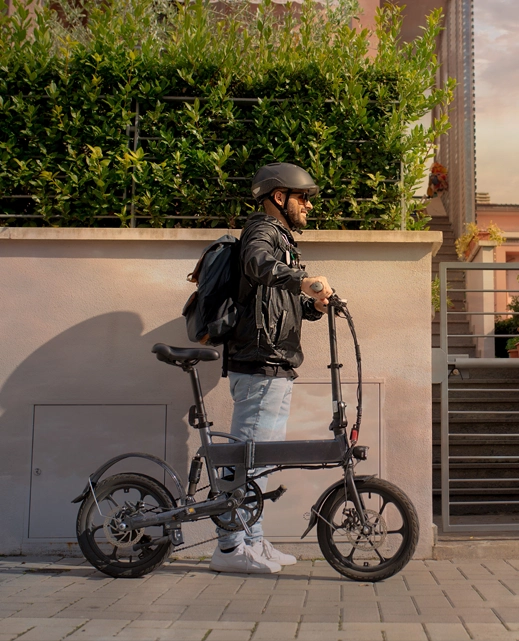
Two-wheeled revolution
Distinctive characteristics of contemporary bicycle designs
Manufacturers engineer frames for specific disciplines, from lightweight carbon fiber for road racing to full-suspension alloy frames for technical downhill trails. A bike’s specific geometry dictates its handling, defining the rider’s connection with the terrain.

The rise of electric assist
E-bike pedal-assist systems amplify rider input, extending range and making hills more manageable for urban commuters and recreational cyclists.

Precision in road geometry
Aerodynamic tube profiles and integrated cockpits reduce wind drag, allowing cyclists to maintain higher speeds with less wattage output.
Specialized frame geometry
Essential gear for comfort, performance, and protection

Advanced head protection
Modern helmets utilize MIPS (Multi-directional Impact Protection System) or similar technologies to mitigate rotational forces during an impact.

Digital navigation and performance tracking
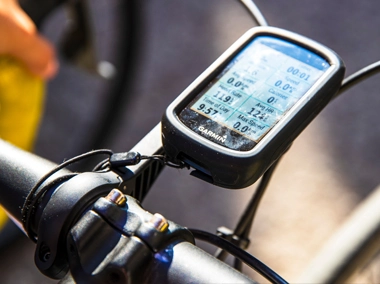
Modern bike computers track key performance metrics—cadence, heart rate, power—and provide turn-by-turn navigation and live segment tracking.

All-weather cycling apparel
Technical cycling apparel uses multi-layer breathable fabrics to regulate body temperature, repel rain, and ensure comfort on long-distance rides.

On-bike illumination and visibility
High-lumen daytime running lights and radar-integrated tail lights alert motorists to a cyclist’s presence, crucial for urban and road safety.
Sustainable urban mobility
Navigating the cityscape through sustainable transport
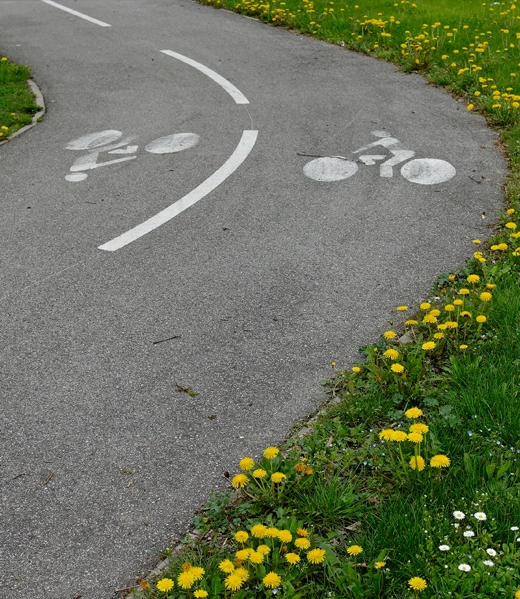
Bike commuting bypasses gridlock and reduces carbon footprints. Cities are adapting with protected bike lanes for safer travel. Electric cargo bikes are replacing delivery vans for last-mile logistics, while dockless bike-sharing schemes democratize access, integrating with public transport networks.
Ensuring mechanical reliability
Preserving drivetrain efficiency and braking performance
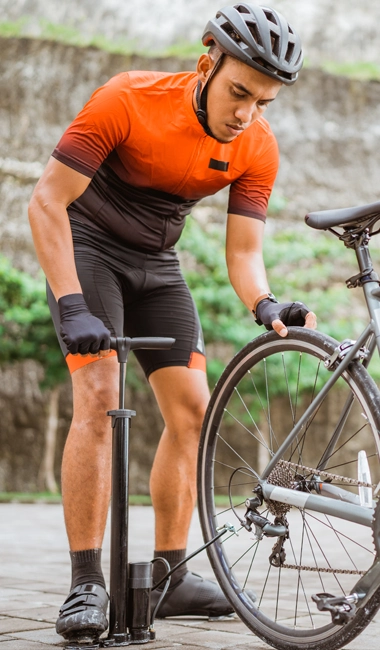
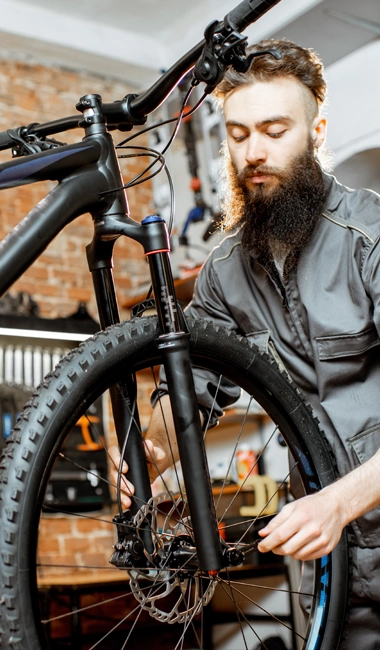
Regular bike maintenance ensures safety and prevents costly repairs. A degreased and lubricated drivetrain reduces friction, while correct tire pressure optimizes rolling resistance. Learning to index your gears guarantees crisp shifting, and inspecting brake pad wear indicators is crucial for stopping power.
Understanding traffic laws and on-road etiquette
Adhering to traffic laws and safety protocols
Maximizing athletic performance
Optimizing physiological output and athletic potential
Watts and cadence
Structured training intervals
Athletes utilize power meters to target specific energy zones, alternating between high-intensity sprints and recovery periods to build endurance.
Aerodynamic positioning
Nutritional fueling strategies
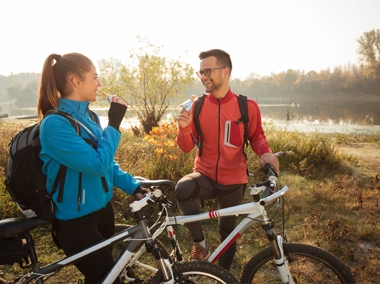
Consuming carbohydrates before and during rides maintains glycogen levels, delaying fatigue and preventing bonking during intense efforts.
Recovery techniques
Biomechanical bike fitting
Adjusting saddle height and handlebar reach minimizes joint strain, maximizing power transfer from the legs to the pedals.

Exploring new horizons with cycle tourism
Bikepacking setups enable exploration of remote gravel roads and singletrack. Long-distance cycle touring immerses riders in local cultures at a slow pace. From iconic coastal routes to epic mountain passes, the journey offers a unique perspective on the landscape.